
Who We Are
 Our logo—a radiant sun over the Tree of Peace standing on a turtle’s back—embodies the story behind our name, Peaceful Living. It points to the same source of wisdom that guided Deganawida, the Peacemaker, in uniting five nations into the Haudenosaunee Confederacy.
Deganawida taught that true transformation begins when people reconnect with their “good mind”—the innate clarity, compassion, and collective wisdom hidden beneath trauma, fear, and ego. Through kanonronkwatsera, the loving care we give each other’s spirit, he created safe spaces for that reconnection, believing in every person’s potential even when they could not see it themselves.
By honouring each individual’s sacredness and encouraging deep listening, the Peacemaker showed that individual wellness strengthens the common good. The Tree of Peace—where weapons were buried and whose roots spread in all four directions—symbolizes a lasting commitment to peace, unity, and responsible stewardship for future generations.
We carry this legacy forward: helping individuals and organizations reconnect with their good mind, foster empathy, build resilient cultures, and create harmonious, productive workplaces. The bright day we envision begins with the same loving care that once united warring nations under the Tree of Peace.
About Me
Why I Do This Work
My own experience of intergenerational trauma and racism taught me how unsafe environments become normalized—people either flee, numb themselves, or unintentionally repeat the pain. That realization drives every training I design: safety is the foundation, co-created through respect, authenticity, and compassion. One participant told me that our two-day workshop was the first time they truly felt safe—a moment that encapsulates why I’m committed to this work.
Creative Edge
The Heartbeat
Kanonronkwatsera is the pulse of everything I do. It guides me to create learning environments where safety, empathy, and practical skill-building intersect, empowering both staff and the people they serve to thrive.
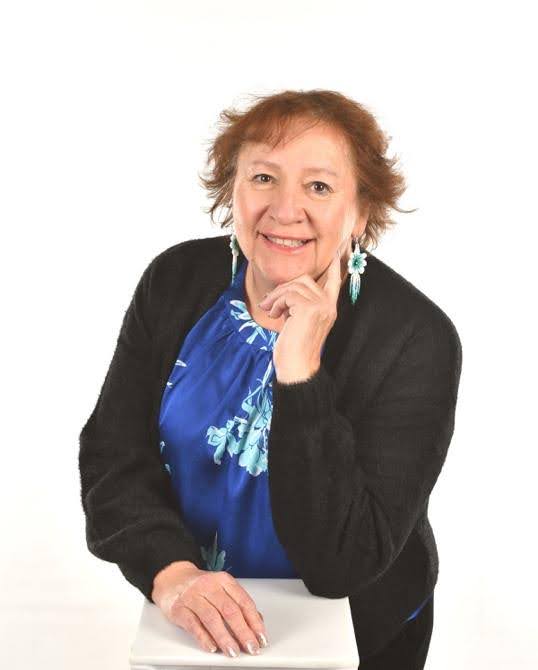
Alison Kiawenniserathe
(Bright Day) Benedict,
MSW RSW, Kanien’kehá:ka,
Wolf Clan, Akwesasne
Owner and Primary Facilitator
